How Electric Vehicles and New Technologies Are Changing the Way We Drive
Electric vehicles (EVs) and advanced automotive technologies are at the forefront of the rapidly changing transportation landscape. Electric vehicles and smart car technology are the future due to growing concerns about climate change, rising fuel prices, and the need for sustainability.

How Electric Vehicles and New Technologies Are Changing the Way We Drive
Electric vehicles (EVs) and advanced automotive technologies are at the forefront of the rapidly changing transportation landscape. Electric vehicles and smart car technology are the future due to growing concerns about climate change, rising fuel prices, and the need for sustainability.
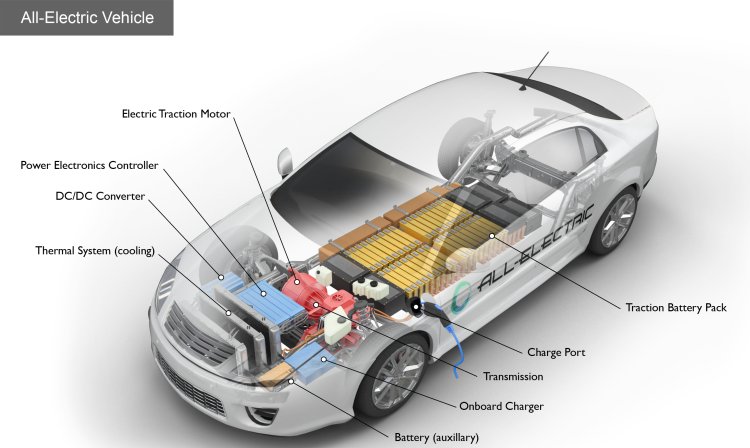
The Rise of Electric Vehicles (EVs)
Electric vehicles (EVs) have become a disruptive force in the global automotive industry in recent years. EVs have emerged as a symbol of sustainable innovation and progress as worries about climate change, environmental degradation, and reliance on fossil fuels increase. A number of environmental, economic, technological, and policy-related factors have combined to change people's perspectives on transportation and propel the growth of EVs.
- Climate Action and Environmental Awareness
Growing awareness of environmental issues is one of the most important factors driving the popularity of EVs. One of the main causes of climate change is transportation, which contributes significantly to global greenhouse gas emissions, especially carbon dioxide (CO₂). Conventional gasoline or diesel-powered vehicles release a lot of dangerous pollutants, such as particulate matter, nitrogen oxides, and carbon monoxide. EVs, on the other hand, have zero tailpipe emissions, which means that no pollutants are released during operation. Because of this, EVs are a crucial component of the global strategy to fight climate change and air pollution. Cleaner transportation options like electric vehicles (EVs) are becoming more and more popular as governments and individuals work to lower their carbon footprints. - Developments in Battery and Charging Technology
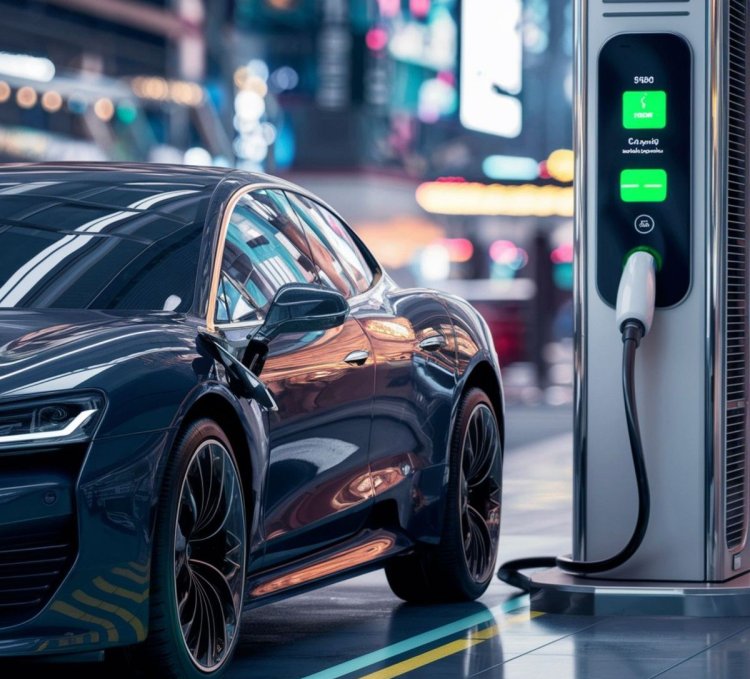
Over the last ten years, electric vehicle technology has advanced dramatically. Many users found earlier EV models less practical due to their short driving ranges and lengthy charging times. Modern EVs, on the other hand, come with sophisticated lithium-ion batteries that have a higher energy density, a longer lifespan, and quicker charging times. Rapid charging stations can recharge batteries in less than an hour, and some luxury EVs can now go more than 400 kilometers (250 miles) between charges. Many of the early reservations about EVs have been allayed by these developments, which have also increased their appeal to a larger market.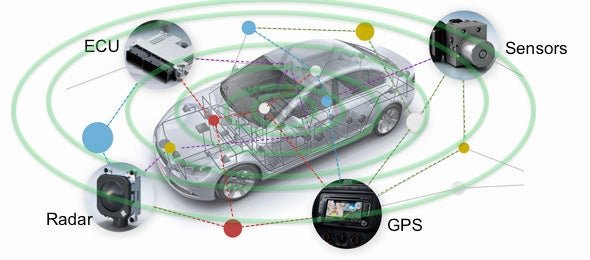
- Government Regulations and Rewards
Globally, governments have been instrumental in encouraging the use of electric vehicles. They are pushing manufacturers and consumers to switch to electric vehicles through a variety of policies, incentives, and subsidies. For instance, a number of nations provide EV buyers with tax credits, rebates, and lowered registration costs. Governments are also making significant investments in the construction of EV infrastructure, including green energy sources and public charging stations. In order to reach a fleet of entirely electric vehicles within the next few decades, some countries have even set aggressive goals to phase out internal combustion engine (ICE) vehicles completely. In addition to encouraging the expansion of EVs, these policy initiatives make it abundantly evident that electric mobility is the way of the future. - Cost-Effectiveness and Increasing Fuel Prices
Electric vehicles present a more cost-effective option given the rising prices of gasoline and diesel in many regions of the world. EVs can cost more to buy initially than conventional cars, but over time, they are less expensive to own overall. Because they have fewer moving parts and don't require oil changes or exhaust system repairs, EVs require less maintenance. Furthermore, EVs are more economical to run on a daily basis due to the fact that electricity is substantially less expensive than fuel. It is anticipated that EVs will become even more cost-competitive in the future as battery manufacturing becomes more efficient and prices continue to decline. - Growing Awareness and Demand from Consumers
There has been a steady increase in public awareness of environmental protection, health, and sustainability. Nowadays, a lot of customers are more inclined to spend money on eco-friendly products, such as electric cars. The perception of EVs has also changed; formerly thought to be slow or unfeasible, they are now seen as sleek, high-performing, and modern. In response to this change, automakers have produced a wide variety of EVs, ranging from high-performance sports cars to SUVs and compact cars, providing consumers with more options than ever before.
What Makes a Vehicle “Smart”?
A smart vehicle uses integrated hardware and software systems — such as sensors, cameras, internet connectivity, and AI — to perform tasks that enhance safety, comfort, and performance.
Connectivity: Smart cars frequently have internet and device connections, allowing for functions like remote vehicle access, over-the-air software updates, and communication with other cars and infrastructure.

ADAS(Advanced Driver Assistance Systems): These systems improve safety and lessen driver workload by using sensors and cameras to provide features like adaptive cruise control, automatic emergency braking, lane departure warning, and parking assistance.
Autonomous Capabilities: Some smart cars use sensors, artificial intelligence, and complex algorithms to navigate and make driving decisions while requiring little to no driver input.
Intelligent Systems: To identify objects, anticipate possible dangers, and improve driving performance, smart cars use AI and machine learning to evaluate data from sensors and cameras.

Data Gathering and Analysis: By gathering information on driving circumstances, vehicle performance, and driver behavior, these cars can be used to enhance overall driving experiences, maximize maintenance, and improve vehicle functionality.
Important attributes include:
Automatic Emergency Braking (AEB): When the vehicle detects an impending collision, it can apply the brakes on its own.
Blind Spot Monitoring:When you change lanes, blind spot monitoring warns you when a car is in your blind spot.
Lane Keeping Assist:If you stray from your lane, Lane Keeping Assist gently corrects your steering.
Adaptive Cruise Control: Automatically modifies speed to keep a safe distance from the vehicle in front.
2025 Autonomous Driving: Fact or Fiction
Technologists, automakers, and the general public have long been enthralled with the idea of autonomous vehicles—cars that drive themselves without the need for human intervention. With the rapid advancement of self-driving technology, that dream is more realistic than ever in 2025. However, it is still unclear if we can trust fully autonomous driving in 2025 or if it is still mostly a work of fiction. The solution is a combination of remarkable advancements, difficult problems, and cautious hope.
Autonomous Driving: What Is It?
The term "autonomous driving" describes cars that use a combination of cameras, sensors, artificial intelligence (AI), and machine learning to function with little to no human input. Six levels of driving automation are defined by the Society of Automotive Engineers (SAE):
Level 0: No automation; all driving is done by humans.
Levels 1–2: Assistance for drivers (such as adaptive cruise control and lane assist)
Level 3: Conditional automation, which allows the vehicle to operate on its own in specific circumstances
Level 4: High automation — the vehicle can manage the majority of circumstances without assistance from a human
Level 5: Complete automation; no driver or steering wheel is required.
While some companies are testing Level 4 in controlled environments, the majority of vehicles on the road in 2025 are still at Level 2 or 3.
By 2025, autonomous driving is a rapidly developing field with exciting breakthroughs; it is no longer science fiction. We are still in a transitional stage, though, and in many situations, human drivers must supervise or take over. Even though self-driving technology promises safer roads, less traffic, and more mobility, it will take more time, testing, regulations, and public trust before it can achieve full autonomy.

What's Your Reaction?










![Samsung Mobile Price in Nepal 2025 [Updated]](https://yohotimes.com/uploads/images/202507/image_650x434_688342bbf3464.jpg)





![Samsung Mobile Price in Nepal 2025 [Updated]](https://yohotimes.com/uploads/images/202507/image_750x415_688342bbd7fb1.jpg)